Choosing the right flooring for your home can be a daunting task. With so many options available, it’s important to consider both functionality and aesthetics. Each room in your house has different needs, and selecting the appropriate flooring can enhance both the look and performance of each space.
Here are five tips to help you choose the right flooring for each room.
1. Consider the Room’s Function
The primary function of the room should heavily influence your flooring choice. For instance, high-traffic areas like the kitchen and hallway need durable, easy-to-clean flooring. In these areas, materials like tile, vinyl, or laminate are excellent choices due to their resilience and low maintenance. Conversely, for a bedroom or living room where comfort is key, softer options like carpet or cork might be more suitable. Think about how the room is used daily and choose a flooring material that can withstand those specific conditions.
2. Think About Moisture Levels
Moisture resistance is another crucial factor, especially for bathrooms, laundry rooms, and basements. These areas are prone to humidity and water exposure, so choosing waterproof or water-resistant flooring is essential. Tile, vinyl, and certain types of engineered wood are ideal for these spaces. Avoid materials like solid hardwood or carpet, as they can warp or develop mold when exposed to moisture.
3. Match the Style of Your Home
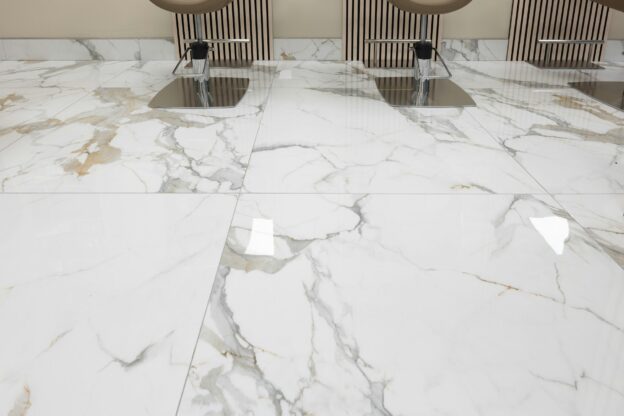
Your flooring should complement the overall style of your home. If you have a modern aesthetic, sleek materials like polished concrete or large-format tiles can create a contemporary look. For a more traditional home, classic hardwood or stone can add warmth and timeless appeal. Pay attention to color schemes and textures as well. Lighter floors can make a space feel more open and airy, while darker tones can add coziness and sophistication.
4. Consider Maintenance and Durability
Different flooring materials require varying levels of maintenance. If you prefer low-maintenance options, look for materials that are easy to clean and resistant to wear and tear. Vinyl, laminate, and tile are generally low-maintenance and can handle heavy use without showing significant signs of wear. On the other hand, hardwood and carpet may require more upkeep, such as regular cleaning and occasional refinishing or deep cleaning.
5. Budget Wisely
Flooring can be a significant investment, so it’s important to consider your budget. Determine how much you’re willing to spend and find the best quality material within your price range. Keep in mind that while some flooring options may have a higher upfront cost, they might offer better durability and lower maintenance costs in the long run. Be sure to balance cost with quality to get the best value for your money.
Make the Right Choice for Your Home’s Flooring Needs
Selecting the right flooring for each room in your home is a critical decision that impacts both the functionality and aesthetic appeal of your space. By considering factors such as the room’s function, moisture levels, style, maintenance needs, and your budget, you can choose flooring that not only looks great but also performs well. Remember, the right flooring can enhance your home’s comfort and style while adding long-term value.